Exploring Unique Handmade Indian Crafts for Export

India is a land of rich cultural heritage and diversity, and its crafts reflect this vibrant tapestry. From intricate textiles to exquisite pottery, handmade Indian crafts are not just products; they are stories woven into every stitch and stroke. As the global market increasingly seeks unique and authentic items, the demand for handmade Indian crafts for export is on the rise. This blog post will explore some of the most unique handmade crafts from India, their significance, and how they can be marketed effectively for export.
The Significance of Handmade Crafts in India
Handmade crafts in India are more than just items for sale; they are a reflection of the country's history, culture, and traditions. Each region has its own unique craft, often passed down through generations. These crafts not only provide livelihoods for artisans but also help preserve cultural identities.
Cultural Heritage
Many crafts are tied to specific festivals, rituals, or local legends. For instance, the art of Madhubani painting from Bihar is often associated with religious themes and is used to decorate homes during festivals. Similarly, Kalamkari, a traditional form of hand-painted or block-printed cotton textile, narrates stories from Indian mythology.
Economic Impact
The craft sector is a significant contributor to India's economy. According to the Ministry of Textiles, the handicraft sector employs over 7 million artisans, many of whom are women. By promoting handmade crafts for export, we can support these artisans and help sustain their livelihoods.
Unique Handmade Crafts for Export
1. Textiles
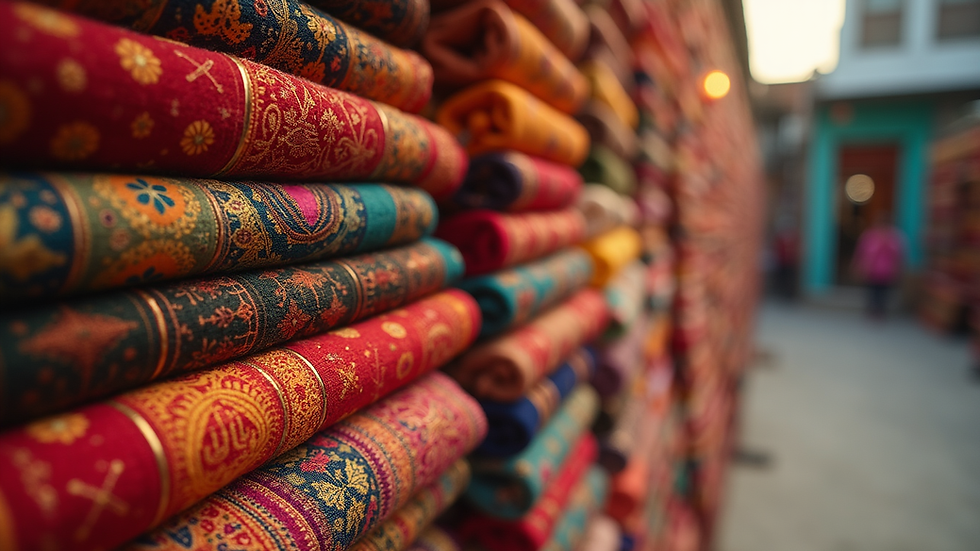
India is renowned for its textiles, which vary widely from region to region.
Banarasi Sarees: Originating from Varanasi, these sarees are known for their intricate gold and silver brocade work. They are often worn during weddings and festivals, making them highly sought after in international markets.
Pashmina Shawls: Made from the fine wool of the Changthangi goat, Pashmina shawls are luxurious and lightweight. Their softness and warmth make them a favorite among fashion enthusiasts worldwide.
Ikats: This dyeing technique, used in textiles from Odisha and Gujarat, creates stunning patterns that are both contemporary and traditional. Ikat fabrics are perfect for clothing and home décor items.
2. Pottery and Ceramics
Indian pottery is diverse, with each region showcasing its unique style.
Blue Pottery: Originating from Jaipur, this pottery is known for its vibrant blue color and intricate designs. It is often used for decorative items and tableware.
Terracotta: This ancient craft is prevalent in many parts of India. Terracotta items, such as pots and figurines, are eco-friendly and have gained popularity in international markets.
3. Jewelry
Handmade jewelry from India is a blend of traditional craftsmanship and contemporary design.
Kundan Jewelry: This traditional form of jewelry involves setting gemstones in gold foil. Kundan pieces are often worn during weddings and special occasions.
Meenakari: This art involves enameling metal, creating colorful and intricate designs. Meenakari jewelry is popular among those seeking unique accessories.
4. Woodwork
Indian woodwork is known for its intricate carvings and designs.
Sandalwood Carvings: Originating from Karnataka, sandalwood carvings are highly valued for their fragrance and beauty. Items like boxes, figurines, and religious artifacts are popular among collectors.
Sheesham Wood Furniture: Known for its durability and rich color, Sheesham wood is used to create beautiful furniture pieces that are both functional and decorative.
Marketing Handmade Crafts for Export
To successfully market handmade Indian crafts for export, it is essential to understand the target audience and their preferences. Here are some strategies to consider:
1. Storytelling
Each craft has a story behind it. Sharing the history and significance of the craft can create a deeper connection with potential buyers. For example, highlighting the artisans' skills and the cultural context of the craft can make the product more appealing.
2. Online Presence
In today's digital age, having a strong online presence is crucial. Creating an e-commerce website or utilizing platforms like Etsy can help reach a global audience. High-quality images and detailed descriptions are essential for showcasing the uniqueness of each craft.
3. Collaborations
Partnering with international designers or brands can help introduce handmade Indian crafts to new markets. Collaborations can also lead to innovative designs that blend traditional craftsmanship with modern aesthetics.
4. Trade Shows and Exhibitions
Participating in international trade shows and exhibitions can provide exposure to potential buyers and distributors. These events are excellent opportunities to showcase products and network with industry professionals.
5. Sustainable Practices
With the growing emphasis on sustainability, promoting eco-friendly practices in the production of handmade crafts can attract environmentally conscious consumers. Highlighting the use of natural materials and traditional techniques can enhance the appeal of the products.
Challenges in Exporting Handmade Crafts
While the potential for exporting handmade Indian crafts is significant, there are challenges that need to be addressed:
1. Quality Control
Ensuring consistent quality can be challenging, especially when working with multiple artisans. Establishing quality standards and providing training can help maintain the integrity of the crafts.
2. Pricing
Determining the right price for handmade crafts can be tricky. It is essential to balance fair compensation for artisans with competitive pricing in the international market.
3. Logistics
Shipping handmade crafts can be complicated due to their fragility and the need for proper packaging. Collaborating with reliable logistics partners can help streamline the process.
4. Market Research
Understanding the preferences and trends in international markets is crucial for success. Conducting thorough market research can help identify potential opportunities and tailor products accordingly.
Conclusion
The world is increasingly appreciating the value of unique, handmade crafts, and India has a wealth of offerings to share. By focusing on storytelling, building an online presence, and addressing challenges, artisans can successfully export their crafts to global markets.
As consumers seek authenticity and connection in their purchases, handmade Indian crafts stand out as a testament to culture and craftsmanship. Supporting these artisans not only helps preserve traditional skills but also contributes to sustainable livelihoods. The next time you consider a purchase, think about the story behind the craft and the artisan who created it. Embrace the beauty of handmade Indian crafts and help bring these treasures to the world.


Comments